
Renal Biopsy
A kidney biopsy is a procedure to remove a small piece of kidney tissue that can be examined under a microscope for signs of damage or disease.
There are two methods for playing out a renal biopsy:
- Percutaneous biopsy (renal needle biopsy). This is the most common type of renal biopsy. For this procedure, a specialist places a thin biopsy needle through the skin to remove your kidney tissue. They might utilize an ultrasound or CT scan to guide the needle to a particular region of the kidney.
- Open biopsy (surgical biopsy). For this procedure, your doctor makes a cut in the skin near to the kidneys. This permits the doctor to take a look at the kidneys and decide the region from which the tissue samples ought to be taken.
Get your renal biopsy treatment in Vijayawada from best nephrologist
Why its done?
A kidney biopsy might be done to:
- Detect a kidney issue that can't otherwise be recognised
- Assist in developing treatment plans in view of the kidney's condition
- Determine how rapidly kidney disease is advancing
- Decide the degree of damage from kidney disease or another ailment
- Assess how well treatment for kidney disease is working
- Screen the health of a transplanted kidney or figure out why a transplanted kidney isn't working as expected
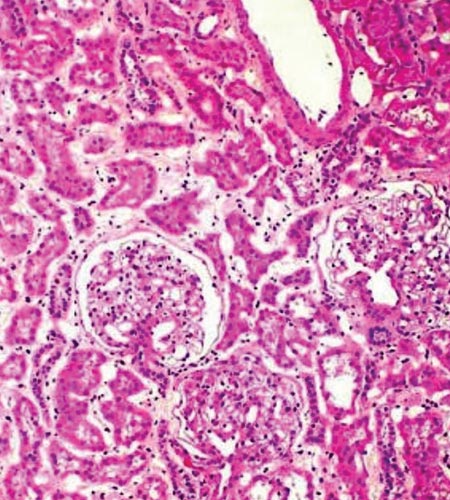
Your doctor at kidney transplantation centers in Vijayawada might suggest a kidney biopsy based upon the results of blood or urine tests that show:
- Blood in the urine that originates from the kidney
- Excessive protein in the urine (proteinuria) rising or accompanied by different indications of kidney disease
- Issues with kidney function, leading to excessive waste products in the blood
During the procedure
During the biopsy, you'll be awake and lie on your abdomen or your side, depending upon which position allows the best access to your kidney. For a biopsy of a transplanted kidney, the person lies on their backs.
A percutaneous biopsy incorporates these steps:
- With an ultrasound probe, your doctor recognises exactly where to place the needle. At times, a CT scan might be utilized rather than ultrasound.
- Your doctor marks your skin, cleans the region and applies a numbing medicine.
- Your doctor makes a tiny cut where the needle will go in and utilizes the ultrasound device to direct the needle into your kidney.
- You might be asked to hold your breathing as your doctor collects a sample utilizing a spring-loaded instrument. You might feel a "pop" or pressure and hear a sharp clicking noise.
- Your doctor might insert the needle a several times — frequently through a similar cut — to get sufficient tissue.
- Your doctor, Dr. M. V. Viswanath eliminates the needle and puts a small bandage on the cut.
Other kidney biopsy procedures
Percutaneous kidney biopsy isn't an option for certain individuals. If you have a history of bleeding problems, experiencing a blood-clotting issue or have a single kidney, your doctor might consider a laparoscopic biopsy.
In this procedure, your doctor makes a tiny cut and places a thin, lighted tube with a video camera at its tip (laparoscope). This instrument permits the specialist to see your kidney on a video screen and take tissue samples.
Have any queries, drop an email. We will get back to you soon....