
Nephrotic Syndrome
- Home
- Services
- Nephrotic Syndrome
Nephrotic syndrome is a kidney disease causing any individuals body to pass excessive amount of protein in the urine.
What are the symptoms?
The signs and symptoms seen in people with nephrotic syndrome are:
- Severe inflammation near the eyes and in ankles and feet
- Frothy urine as an outcome of too much of protein in the urine
- Increase in Weight because of fluid retention
- Loss of appetite
- Fatigue
What are the causes for nephrotic syndrome?
Primary causes of nephrotic syndrome are illnesses that influence only the kidneys.
- The most common reason of nephrotic syndrome in adults is a disease known as focal segmental glomerulosclerosis (FSGS). The best way to know without a doubt whether you have FSGS is to get a kidney biopsy. Even when treated, the vast majority with FSGS will ultimately foster kidney failure and should begin dialysis or have a kidney transplant to live. After transplant, there is as yet an opportunity that FSGS will return and that you might lose your new kidney.
- In kids, the most common cause of nephrotic syndrome is minimal change disease.
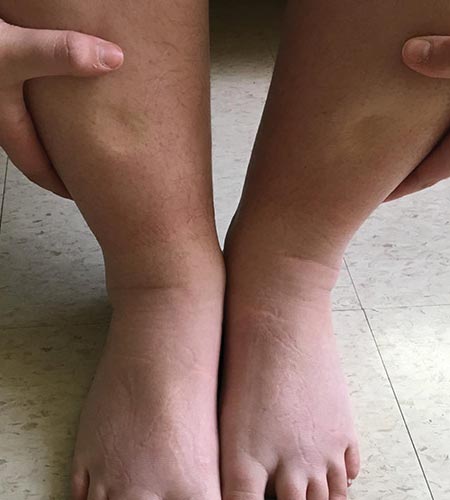
Secondary reasons for nephrotic syndrome are diseases that influence the entire body, including the kidneys.
- Most of the time, nephrotic syndrome happens in view of secondary causes. The most common secondary cause for nephrotic syndrome in grown-ups is diabetes.
- The most common secondary reason for nephrotic syndrome in children is diabetes.
What are the risk factors?
The risk factors that surge the risk of nephrotic syndrome include:
- Medical conditions that can harm kidneys: Some diseases and conditions increase the risk to develop nephrotic syndrome like diabetes, reflux nephropathy, lupus, amyloidosis and other kidney diseases.
- Certain meds: Medicines that can contribute to nephrotic syndrome include nonsteroidal anti-inflammatory drugs and drugs utilised to combat infections.
- Certain infections: Infections that increase the risk of nephrotic syndrome including HIV, hepatitis B, hepatitis C and malaria.
How is it diagnosed?
The patient’s urine test is taken and will be measured to see how much protein the kidneys are filtering out. The patient must also go through blood tests to examine other kidney functions.
The doctor might also check for diseases that would be secondary reason for nephrotic syndrome like diabetes.
Some people will require kidney biopsy which might need taking a tissue sample for study under a microscope.
How is the treatment performed?
Treatment includes
- Maintaining blood pressure at or below 130/80 mm Hg to delay kidney damage.
- Corticosteroids and other drugs that supress or calms the immune system.
- Treating the high cholesterol in minimising the risk for heart and blood vessel issues: Low fat, low-cholesterol diet is usually not sufficient for individuals with nephrotic syndrome. Medicines to minimise the cholesterol and triglycerides might be required.
- Low-sodium diet might assist with swelling in the hands and legs. Water pills might also aid with this issue.
- Low-protein diets might be useful: Your doctor might recommend a moderate-protein diet
- Taking vitamin D supplements if nephrotic syndrome is long term and isn't responding to treatment.
- Taking blood thinner medications to treat or prevent blood clots.
Have any queries, drop an email. We will get back to you soon....