
Glomerulonephritis
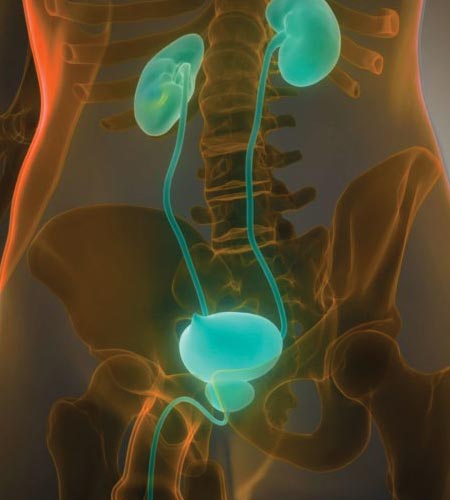
Glomerulonephritis is a cluster of diseases injuring the part of the kidney filtering the blood. Different terms you might hear utilized are nephritis and nephrotic syndrome. At the point when the kidney is harmed, it can't get rid of wastes and extra fluid in the body. If the disease proceeds, the kidneys might quit working totally, resulting in kidney failure.
What are the symptoms?
Signs and symptoms of glomerulonephritis might differ relying upon whether you have the acute or chronic form and the reason. You might see no signs of chronic disease. Your first sign that something is wrong might come of the consequences of a routine urine test (urinalysis).
Glomerulonephritis signs and symptoms might include:
- Pink or cola-colored urine from red blood cells in your urine (hematuria)
- Frothy or bubbly urine because of excess protein in the urine (proteinuria)
- Hypertension
- Fluid retention (edema) with swelling evident in your face, hands, feet and abdomen
- Urinating less than usual
- Nausea
- Vomiting
- Muscle cramps
- Weakness
What causes acute glomerulonephritis?
The acute disease might be caused by infections like strep throat. It might likewise be caused by different illnesses, including lupus, Good pasture’s disorder, Wegener's illness, and polyarthritis nodosa. Early diagnosis and prompt treatment are essential to prevent kidney failure.
What causes chronic glomerulonephritis?
Sometimes, the illness runs in the family. This type appears in youngsters who may likewise have hearing loss and vision loss. Some forms are caused by changes in the immune system. However, in many cases, the reason isn't known. Sometimes, you will have one acute attack of the illness and develop the chronic form years later.
What treatment is available for glomerulonephritis?
The acute form might disappear on its own. Some of the time you might require medicine or even temporary treatment with an artificial kidney machine to eliminate extra fluid and control hypertension and kidney failure. Antibiotics are not utilized for acute glomerulonephritis; however, they are significant in treating different types of disease connected with bacterial infection. If the illness is deteriorating rapidly, you might be placed on high doses of medication that influence your immune system. Sometimes, your doctor might order plasmapheresis, a special blood filtering process to eliminate harmful proteins from your blood.
There is no particular treatment for the chronic form of the disease. Your doctor might tell you to:
- Eat less protein, salt and potassium
- Control your blood pressure
- Take diuretics (water pills) to treat puffiness and swelling
- Take calcium supplements
Have any queries, drop an email. We will get back to you soon....