Peritoneal dialysis
Peritoneal dialysis is a way to eliminate the waste products from your blood when your kidneys can't adequately do the job any longer. This procedure at peritoneal dialysis hospitals in Vijayawada filters the blood in a different way than does the more common blood-filtering procedure known as haemodialysis.
What are the types?
One sort is known as continuous ambulatory peritoneal dialysis (CAPD). This is a continuous and machine-free method.
An individual will put two quarts of the fluid into the belly and drain it later. They should do this 4-5 times over 24 hours. Each exchange can require 30-40 minutes.
Certain individuals prefer to do exchanges at bedtimes and mealtimes.
Another sort is known as automated peritoneal dialysis (APD). This includes attaching the dialysis catheter to an automated machine that will exchange the dialysis solution while an individual sleep.
The machine will frequently fill an individual's stomach with the dialysate for the start of the day, and an individual might perform an exchange during the day. One more name for this approach is continuous cycling peritoneal dialysis, or CCPD.
Why its done?
Dialysis is needed if the kidneys are no longer working well enough. Kidney damage advances over a number of years as an outcome of long-term conditions like
- Diabetes
- Hypertension
- Kidney inflammation
- Multiple cysts in the kidneys
How to prepare for surgery?
A specialist will recommend that an individual must not eat or drink anything after 12 PM prior to getting a peritoneal dialysis catheter. This is particularly true if the individual is going under general anaesthesia for the catheter placement.
After the procedure, the individual may likewise need to arrange for travel home.
They ought to converse with your doctor about the materials they should really need to care for the catheter insertion site.
How does peritoneal dialysis (PD) work?
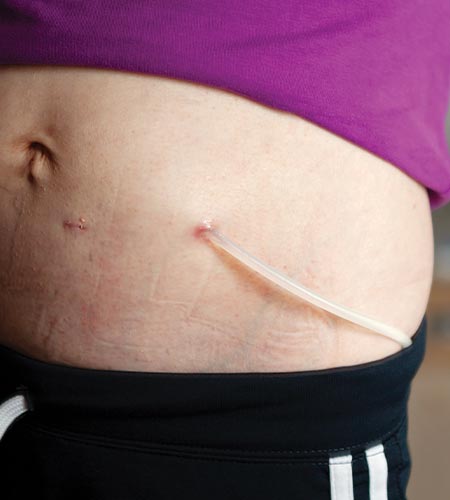
- During PD, you utilize a catheter to fill your gut with a cleaning fluid known as dialysate. A catheter is a thin tube that transports fluid in or out of your body. The tissue that covers a large portion of the organs in your stomach (the peritoneum) goes acts as a filter for this process.
- The dialysate will remain in your belly for a period of time, usually 4-6 hours, while it cleans your blood. This time is known as a dwell time.
- Then, you will drain the utilized dialysate out of your belly and refill it with fresh dialysate. This process is called an exchange. You might do these exchanges yourself or with the assistance of a machine. Your doctor will tell you how many exchanges you ought to do every day.
Have any queries, drop an email. We will get back to you soon....