
Acute Kidney injury
Acute kidney injury (AKI) is also known as acute renal failure (ARF), is an abrupt episode of kidney failure or kidney damage that occurs within a couple of hours or a couple of days. AKI causes a build-up of waste products in your blood and makes it difficult for your kidneys to keep the right equilibrium of fluid in your body. AKI can also influence different organs like the brain, heart, and lungs. Acute kidney injury is common in patients who are in the hospital, in intensive care units, and particularly in older adults.
Get your kidney injury treatment in Vijayawada from Dr. M. V. Viswanath
What are the causes?
Most AKI cases are caused by reduced blood flow to the kidneys, normally in someone who's already unwell with another health condition.
This decreased blood flow could be caused by:
- low blood volume after bleeding, extreme vomiting or diarrhoea, or dehydration
- the heart pumping out less blood than normal because of heart failure, liver failure or sepsis
- certain drugs that diminish blood pressure or blood flow to the kidneys, like ACE inhibitors, certain diuretics or NSAIDs
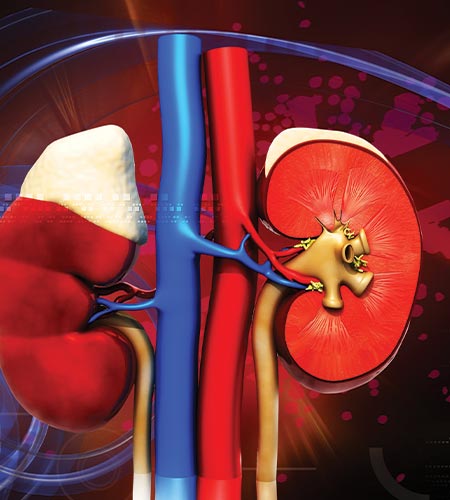
AKI can be caused by an issue with the kidney itself, like inflammation of the filters in the kidney (glomerulonephritis), the blood vessels (vasculitis), or different structures in the kidney.
This might be caused by a reaction to few medications, infections or the liquid dye utilized in certain kinds of X-rays.
What are the signs and symptoms of acute kidney injury?
Signs and symptoms of acute kidney injury vary contingent upon the reason and may include:
- Too little urine leaving the body
- Swelling in legs, ankles and around the eyes
- Weariness or fatigue
- Shortness of breath
- Nausea
- Confusion
- Seizures or unconsciousness in extreme cases
- Chest pain
Who has a higher possibility of getting AKI?
Individuals who are sick and in the hospital have a higher chance of AKI. Individuals who are in the intensive care unit are even more likely to have AKI.
You have a higher chance of AKI if you:
- Just had bypass surgery
- Were in the hospital for COVID-19
- Are age 65 or older
- Have heart disease, congestive heart failure or COPD
- Have a history of kidney disease
- Have extreme, uncontrolled hypertension
- Take insulin for diabetes
- Have peripheral artery disease
- Are severely dehydrated or unable to keep fluids in your body
How do doctors treat AKI?
The treatment for AKI given by best kidney doctor in Vijayawada relies upon the cause and severity. Certain individuals should be treated in a hospital and remain until their kidneys heal. Possible treatments include:
- Drugs to control your blood pressure and change the electrolytes in your blood
- Treatments to keep the right proportion of fluid in your body
- If the AKI is extreme and your kidneys stop working and will need to go on dialysis for a brief timeframe.
- After returning home, follow a kidney-friendly eating plan, this will assist your kidneys to heal. Your doctor might allude you to registered dietitian.
You might have other treatments to optimise the healing of your kidneys.
Have any queries, drop an email. We will get back to you soon....